

A Christian heritage tour combines guided visits to historically and spiritually significant American sites — like Washington DC, Boston, and Philadelphia — with faith-centered commentary, devotionals, and prayer, and planning one well means matching your group’s purpose to the right destination, season, and tour partner at least 9-12 months out.
The Problem Groups Run Into
Group leaders — whether a history teacher, a pastor, or the volunteer organizing a 55+ travel club — usually hit the same wall. There are dozens of “Christian tour” options online, but few explain how a faith-focused itinerary actually differs from a standard sightseeing trip, or what questions separate an experienced operator from a generic bus tour with a devotional bolted on.
This guide answers that directly, then walks through the planning decisions that matter most: destination selection, timing, group logistics, and how to evaluate a tour company before you commit a deposit.
What Makes a Tour “Christian Heritage” Rather Than General Sightseeing
A Christian heritage tour is built around a specific lens: the role of faith, scripture, and biblical conviction in the events and people your group is visiting.
That shows up in three concrete ways.
1. Site selection reflects faith history, not just fame
A general DC tour stops at the Lincoln Memorial for the view. A heritage tour stops there to unpack Lincoln’s Second Inaugural Address and its scriptural references, then connects that to nearby sites like the National Cathedral or the Museum of the Bible.
2. Guides are trained in the faith narrative, not just the facts
Dates and architecture are easy to look up. What a strong heritage tour guide adds is context: how a founder’s faith shaped a document, why a specific memorial inscription matters theologically, and how to connect disparate sites into one coherent story across several days.
3. Devotionals and reflection are built into the schedule
Morning devotionals, prayer at significant sites, and evening reflection time are planned into the itinerary in advance — not left to chance or squeezed in if there’s time.
Choosing a Destination: Matching the City to Your Group’s Goals
Each major heritage destination tends to serve a different purpose. Groups get the most out of a trip when they pick the city that matches what they’re actually trying to accomplish.
Washington DC
Best for groups focused on faith and governance — the founders’ convictions, the role of scripture in public life, and how those threads run through the Capitol, the National Archives, Arlington, and the National Cathedral.
Boston and Philadelphia
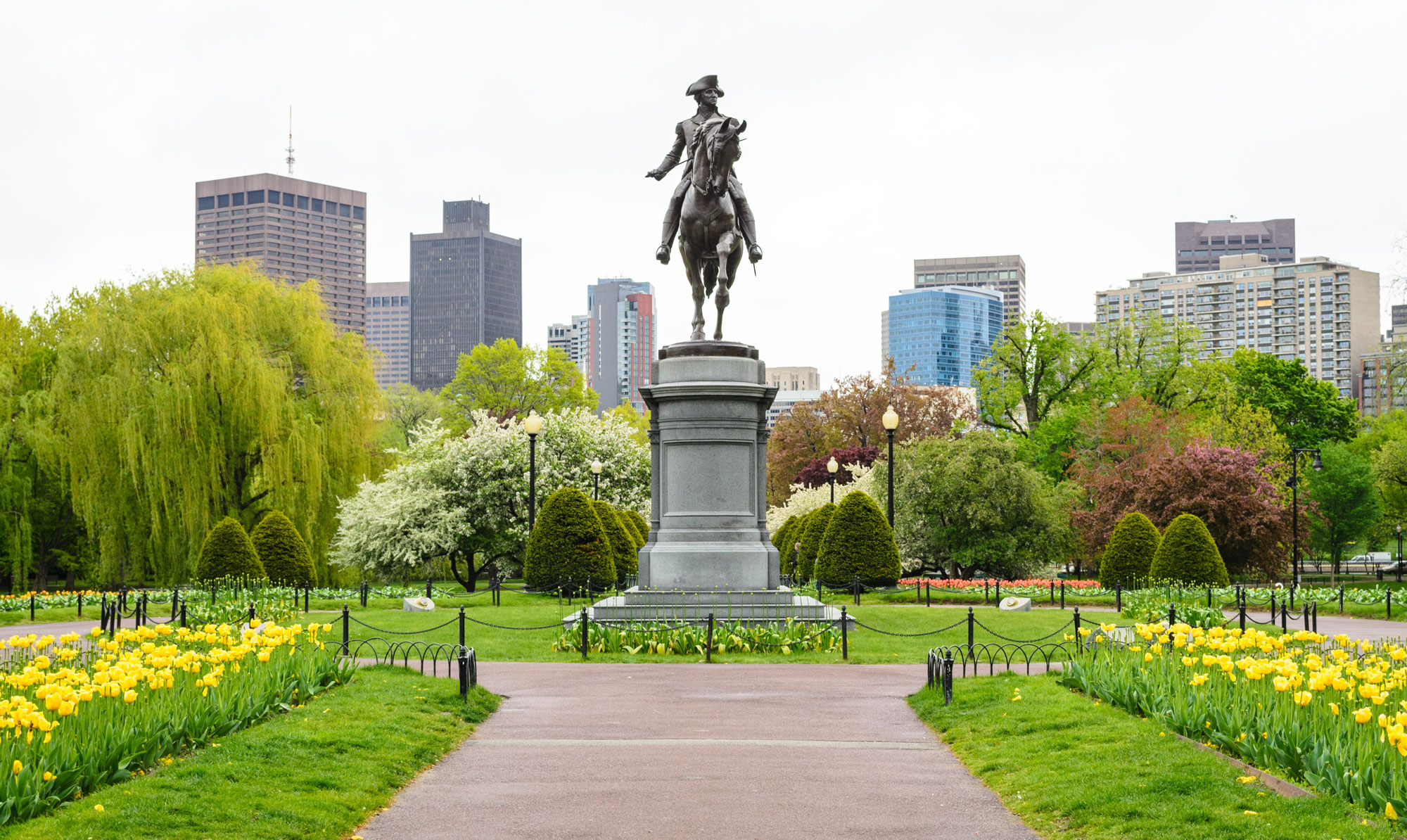
Best for groups focused on origins — Pilgrim and Puritan history, religious liberty, and the founding documents. Boston’s Freedom Trail and Philadelphia’s Independence Hall corridor both connect directly to faith-driven decisions to leave Europe and to found a nation.
New York
Best for groups wanting to pair heritage sites with a broader cultural experience — Ellis Island and immigrant faith history alongside more contemporary stops.
Combination itineraries
Many school groups and church groups combine two cities (DC + Philadelphia, or Boston + surrounding New England) into a single 5-7 day trip to get both the founding-era and constitutional-era story without a second trip.
Planning Logistics: School Groups vs. Adult and Church Groups
The destinations may overlap, but the planning priorities differ by audience.
For private Christian schools
- Curriculum tie-in matters most — the itinerary should reinforce what students are studying, not just entertain them.
- Chaperone ratios and safety protocols need to be spelled out clearly for parents and administrators.
- Academic framing (pre-trip reading, on-site discussion questions, post-trip reflection) increases how much the trip actually sticks.
For church groups, 55+ communities, and travel clubs
- Pace matters more than density. Adult and senior groups typically prefer fewer stops per day with more time to absorb each one, versus a packed student itinerary.
- Accessibility — walking distances, seating availability, and rest breaks — should be built into the itinerary from the start, not adjusted after complaints.
- Fellowship time is often as valuable as the sites themselves. Shared meals and evening devotionals build the community aspect many church and travel-club members are actually seeking.
What to Ask Before Booking a Tour Company
Because the market is full of small operators and one-person guide services, a short set of questions filters out the risk quickly.
How long has your company been organizing Christian heritage tours, and for which types of groups?
Longevity with both school and adult groups signals real operational depth, not just a single guide’s personal tour.
Who leads the tour on-site — a licensed local guide, a historian, or your own staff?
Ask how they’re trained on the faith narrative specifically.
What’s included in the quoted price?
Transportation, lodging, meals, admission fees, and gratuities should be itemized, not bundled vaguely.
What happens if the group size changes or someone cancels?
A transparent cancellation and rebooking policy protects the organizer, not just the company.
Can you provide references from a group similar to ours?
A school reference doesn’t tell you much about how a company handles a 55+ church group, and vice versa — ask for the right comparison.
Key Takeaways
- A Christian heritage tour differs from general sightseeing through faith-specific site selection, trained guide commentary, and built-in devotional time.
- Washington DC suits groups focused on faith and governance; Boston and Philadelphia suit groups focused on founding-era religious history.
- School groups should prioritize curriculum alignment and chaperone logistics; adult and church groups should prioritize pace, accessibility, and fellowship time.
- Vet a tour operator on experience across both school and adult groups, on-site guide qualifications, transparent pricing, and real references.
- Plan 9—12 months ahead for the best availability on lodging, guides, and group transportation.
Frequently Asked Questions
How far in advance should we book a Christian heritage tour?
Most experienced operators recommend 9–12 months for popular destinations like Washington DC in peak spring and fall seasons, since hotel blocks and guide availability fill early.
How much does a Christian heritage tour typically cost?
Per-person pricing varies widely based on trip length, destination, and season, but multi-day tours with lodging, transportation, and guided admissions commonly range from a few hundred to over a thousand dollars per person. Request an itemized quote to compare accurately across companies.
Can a Christian heritage tour be customized for a specific age group or theme?
Yes. Experienced tour operators build itineraries around your group’s focus — founding fathers’ faith, religious liberty, missions history, or a specific denominational heritage — and adjust pacing for students, adults, or seniors.
Do these tours include time for worship or prayer?
Reputable heritage tour itineraries build in dedicated devotional time, on-site prayer opportunities, and often a Sunday worship option if the trip spans a weekend.
What’s the difference between a Christian heritage tour and a mission trip?
A heritage tour is educational and reflective — visiting historically significant sites tied to faith. A mission trip centers on service work. Some operators offer hybrid itineraries, but it’s worth clarifying which model you’re booking.