

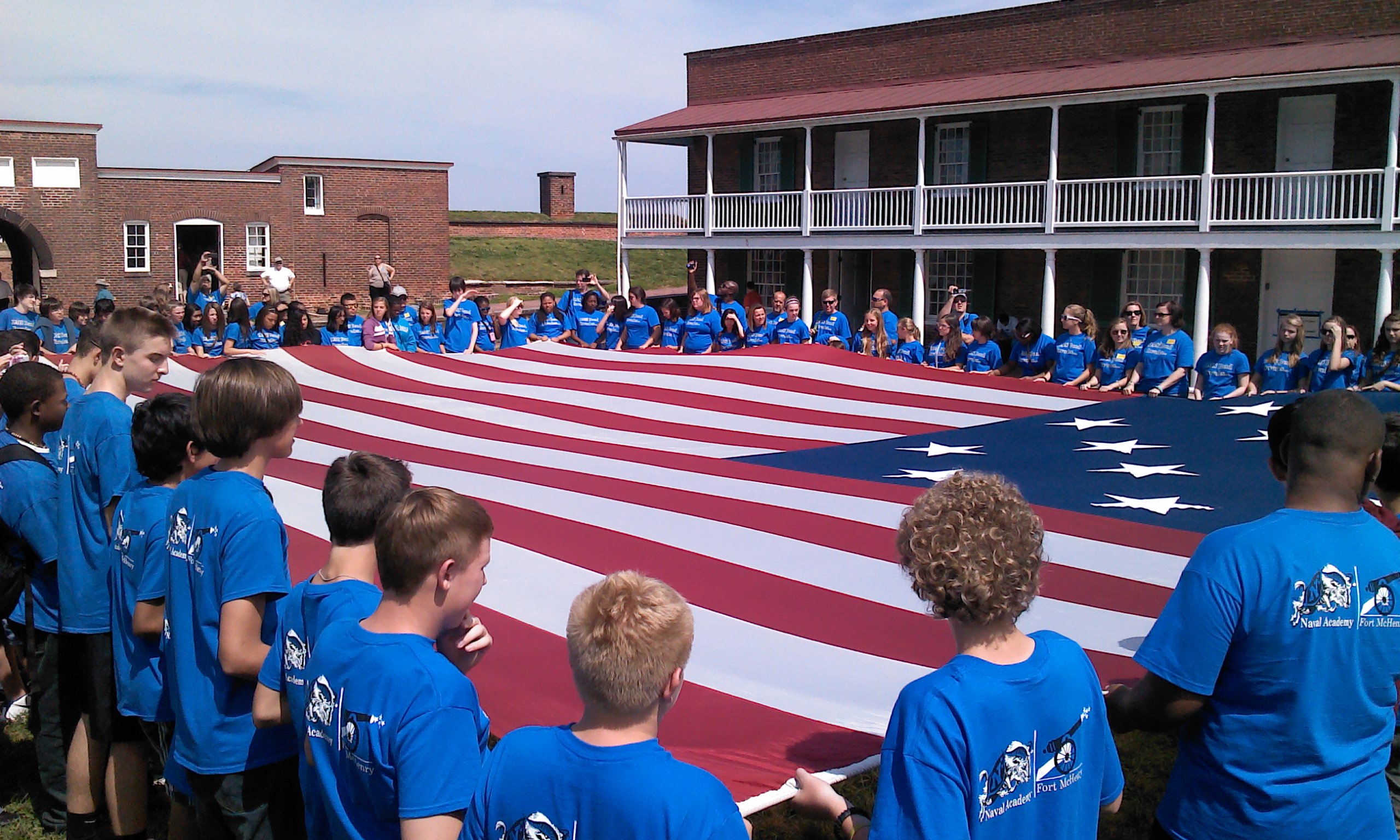
A successful Christian school heritage trip is planned around curriculum alignment, clear chaperone ratios, and a pre-trip communication plan for parents, and the process typically starts 9–12 months before departure for popular destinations.
The Real Challenge for Administrators and Teachers
Organizing a multi-day trip isn’t just picking a destination — it’s justifying the cost and time away from class to administration, getting parents comfortable with safety logistics, and making sure the trip actually reinforces what students are learning rather than functioning as an expensive field day.
The schools that get the most out of these trips treat them as an academic unit with a travel component, not a vacation with a curriculum label attached.
Aligning the Trip with What Students Are Already Studying
TIE THE ITINERARY TO A SPECIFIC UNIT
A trip to Washington DC lands differently for a class that just finished a unit on the founding documents than for one visiting cold. Coordinate timing with your history or Bible curriculum so the sites reinforce recent classroom work.
BUILD IN PRE-TRIP AND POST-TRIP ACADEMIC WORK
- Pre-trip: short readings or a primer on the sites the group will visit, so students arrive with context.
- On-site: discussion questions tied to specific stops, not just open sightseeing time.
- Post-trip: a reflection assignment or presentation connecting the trip back to classroom material.
LOOP IN MULTIPLE DEPARTMENTS
History and Bible are the obvious fits, but a heritage trip can also support literature (founding-era writing), civics, and even art (memorial architecture and symbolism) if the itinerary is planned with that in mind.
Chaperone Ratios and Safety Logistics
Parents and administrators both want a clear answer here before they’ll sign off on a trip.
- Set a specific chaperone-to-student ratio in advance and communicate it clearly — this is usually the first question a nervous parent asks.
- Confirm supervision protocols for free time, meals, and evening hours at the hotel, not just during guided touring hours.
- Ask your tour operator about their emergency response protocol — how they handle a medical issue, a lost student, or a schedule disruption on-site.
Getting Parent and Administration Buy-In
FOR ADMINISTRATORS
Frame the trip’s academic value explicitly — how it reinforces the curriculum, what learning objectives it supports, and how it will be assessed. A one-page academic justification document makes the approval conversation much easier.
FOR PARENTS
– Host an information meeting before the deposit deadline, walking through the itinerary, safety protocols, and payment schedule.
– Provide a detailed packing list and a clear communication plan for how parents can reach the school (or their child) during the trip.
– Address cost transparently — what’s included, what isn’t, and whether payment plans or financial assistance are available.
A Sample Planning Timeline
9-12 months out
Confirm destination and dates with your tour operator, and secure the itinerary that aligns with your academic calendar.
6-9 months out
Present the trip to administration for approval, then to parents with a detailed information packet and deposit schedule.
3-6 months out
Finalize the roster, chaperone assignments, and any accommodation needs (dietary, medical, mobility).
1 month out
Distribute the final itinerary, packing list, and emergency contact information to families and chaperones.
Questions to Ask a Tour Operator for a School Trip
What experience do you have specifically with private Christian schools, not just general student tours?
Faith-specific commentary and curriculum alignment matter here.
Can the itinerary be adjusted to match our specific unit of study?
A rigid, one-size-fits-all itinerary is a red flag.
What’s your chaperone-to-guide communication process during the trip?
Confirm how chaperones and the on-site guide coordinate throughout the day.
Do you offer financial assistance options or payment plans for families?
This can meaningfully affect participation rates.
Key Takeaways
- The most effective school heritage trips tie directly into a specific curriculum unit, with pre-trip, on-site, and post-trip academic components.
- Set clear chaperone ratios and safety protocols early — this is typically the first concern for both administrators and parents.
- Start planning 9–12 months ahead, and use a one-page academic justification to streamline administrative approval.
- Vet tour operators on their specific experience with private Christian schools and their ability to customize the itinerary to your curriculum.
Frequently Asked Questions
How far in advance should a school start planning a heritage trip?
9–12 months, especially for popular destinations like Washington DC during spring field trip season, when lodging and guide availability books up early.
What’s a reasonable chaperone-to-student ratio for a multi-day trip?
This varies by school policy and destination, but many schools use somewhere between 1:8 and 1:10 as a baseline, adjusted for student age and trip complexity. Confirm your school’s specific policy and your tour operator’s recommendation together.
How do we justify the cost and time away from class to administration?
Frame it around specific learning objectives tied to your curriculum, with a plan for pre-trip preparation and post-trip assessment — this turns the trip into a documented academic activity rather than a discretionary outing.
Can the itinerary be customized to our specific Bible or history curriculum?
Yes — most experienced operators will build the itinerary around your unit of study rather than offering only a fixed, generic itinerary.
What if a family can’t afford the full cost of the trip?
Ask your tour operator directly about payment plan options, and consider whether your school or PTA has a scholarship or assistance fund for trips like this — many schools build one specifically to support participation.